A practical review of product specifications, site scope, batch documentation and quality questions for buyers of pharmaceutical pellets and granules.
R
Rraynex Editorial Team
3 min read
Overview
The formula identifies the intended material. Buyers also need the documentation and test criteria that explain how to evaluate a proposed product. This matters when sourcing pellets or granules for further formulation, because the material will be used in a specific process with its own requirements.
Start by comparing the proposed product name with the intended formulation and material identity. Check the grade, strength basis, release designation and packaging. The applicable specification should explain which characteristics are tested and the criteria used to evaluate them. A percentage loading and an amount per dose are different measures, so confirm the basis before comparing values.
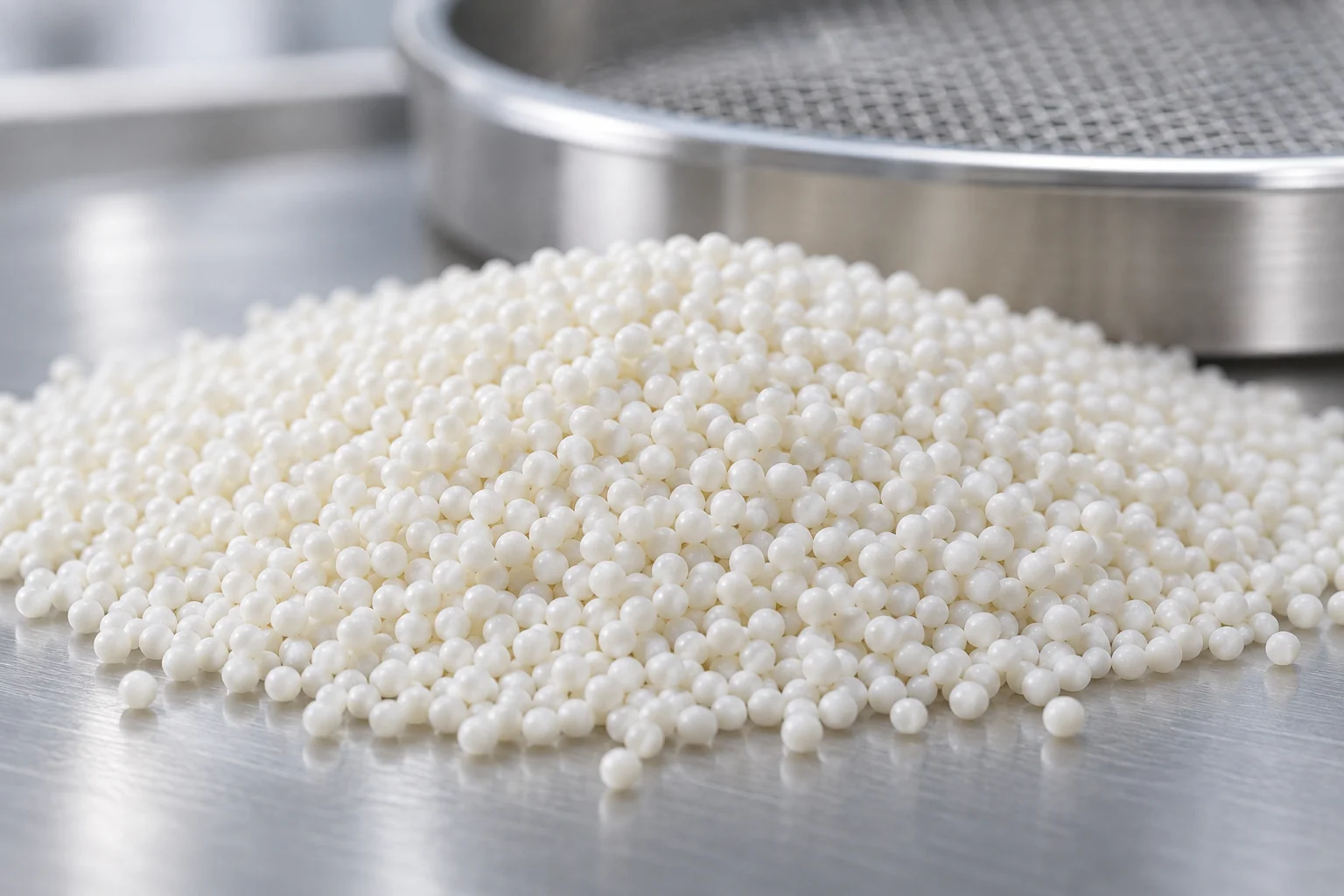
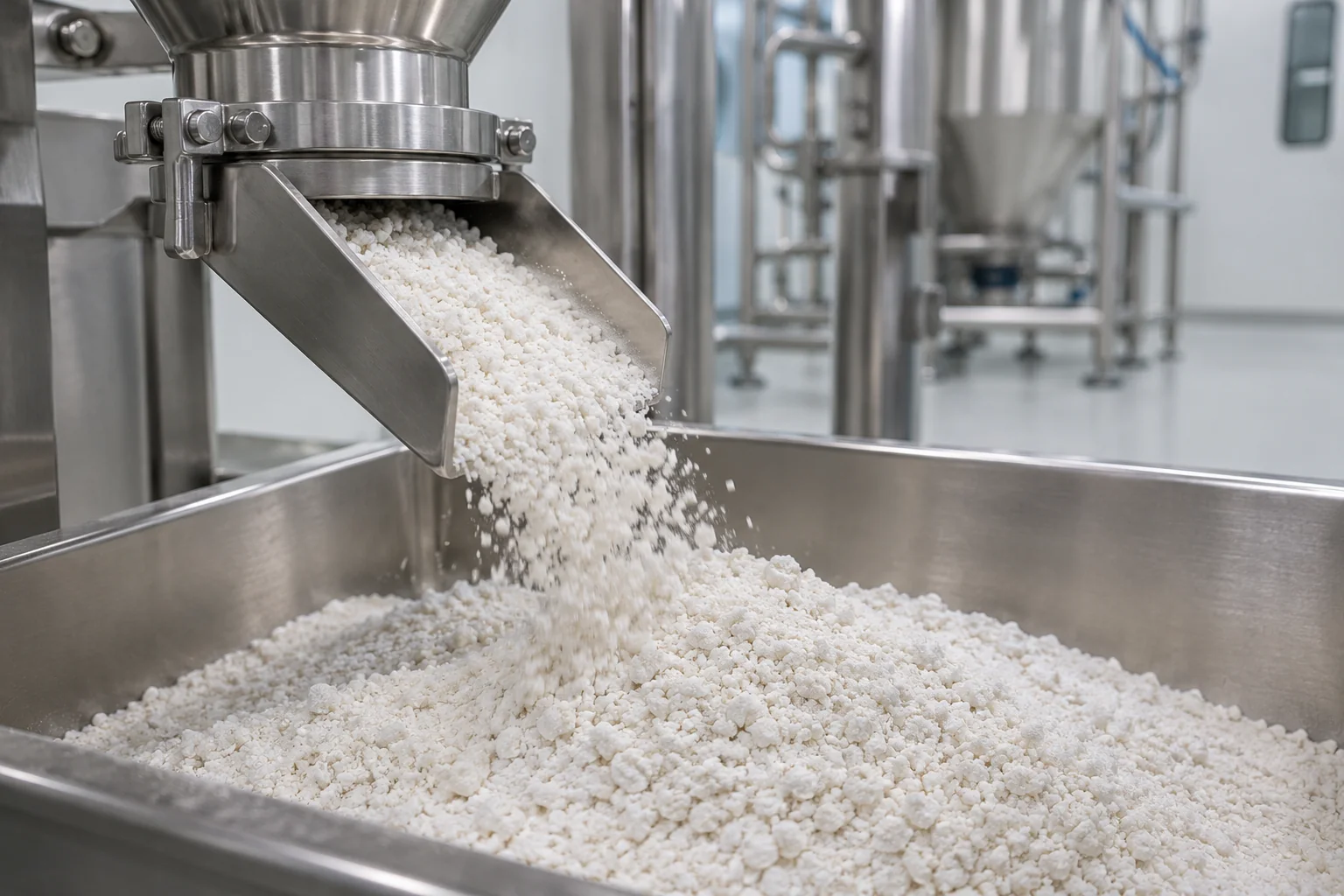
For a pellet, the buyer may need to review size distribution, coating or release criteria. For a granule, the test plan may need to address flow, moisture or compression. The relevant tests depend on the material and the intended downstream process. Agree which results and methods will be reviewed for the proposed product.
Confirm the manufacturing site and evidence
Identify the legal entity and site proposed for supply. Review the activities covered by the available documents and check that those activities apply to the actual product. Ask who issued the document and whether it is current. Where a market has specific requirements, include them in the enquiry and have the appropriate quality or regulatory team evaluate the evidence.
Good Manufacturing Practice provides principles for controlling pharmaceutical manufacturing. Site-specific claims require applicable evidence. A general statement on a website or an emblem in a brochure is a starting point for questions about scope, validity and documentation. See the WHO GMP overview.
Discuss batch information and change control
Ask how the available documentation identifies a batch and relates it to the agreed specification. If a certificate of analysis is available, compare its material and batch references with the proposed supply. Review relevant storage, handling and packaging information. Ask which details can be shared for the exact material before relying on a document for qualification.
Discuss how changes affecting the site, process or specification would be communicated. A buyer may need to re-evaluate an agreed material when a relevant change occurs. Record the evidence reviewed, the person responsible for follow-up and the outstanding questions before deciding whether to advance to the next stage.
Preparing a quality enquiry
Include the catalogue reference, intended use, required grade or strength and destination. List the tests, site documents and batch information your team needs. The quality page provides a list of enquiry topics, and the contact page is available for product and documentation requests.
Use the same reference when discussing samples, testing and a quotation. That gives formulation, quality and procurement teams a shared record of the proposed material. Confirm the current specification and availability for the exact product before placing an order.
Frequently Asked Questions
Which documents should a procurement enquiry request?
Ask which specifications, batch Certificates of Analysis, stability information and relevant quality documents are available for the specific product and manufacturing site. Availability should be confirmed directly.
Does a company certificate qualify every product?
No. Buyers should verify the certificate scope and validity and assess the actual product, manufacturing site and applicable market requirements.
Put insight into practice
Let’s discuss your next formulation project.
Share your product, strength, release requirements, expected quantity and destination market with our team.
Discover why GMP compliance is crucial for pharmaceutical manufacturing. Learn how it ensures consistency, prevents contamination, and builds trust in the supply chain.
Discover why APIs are the backbone of every drug formulation. Learn about the critical role of API quality, physical attributes, and how they impact therapeutic success.