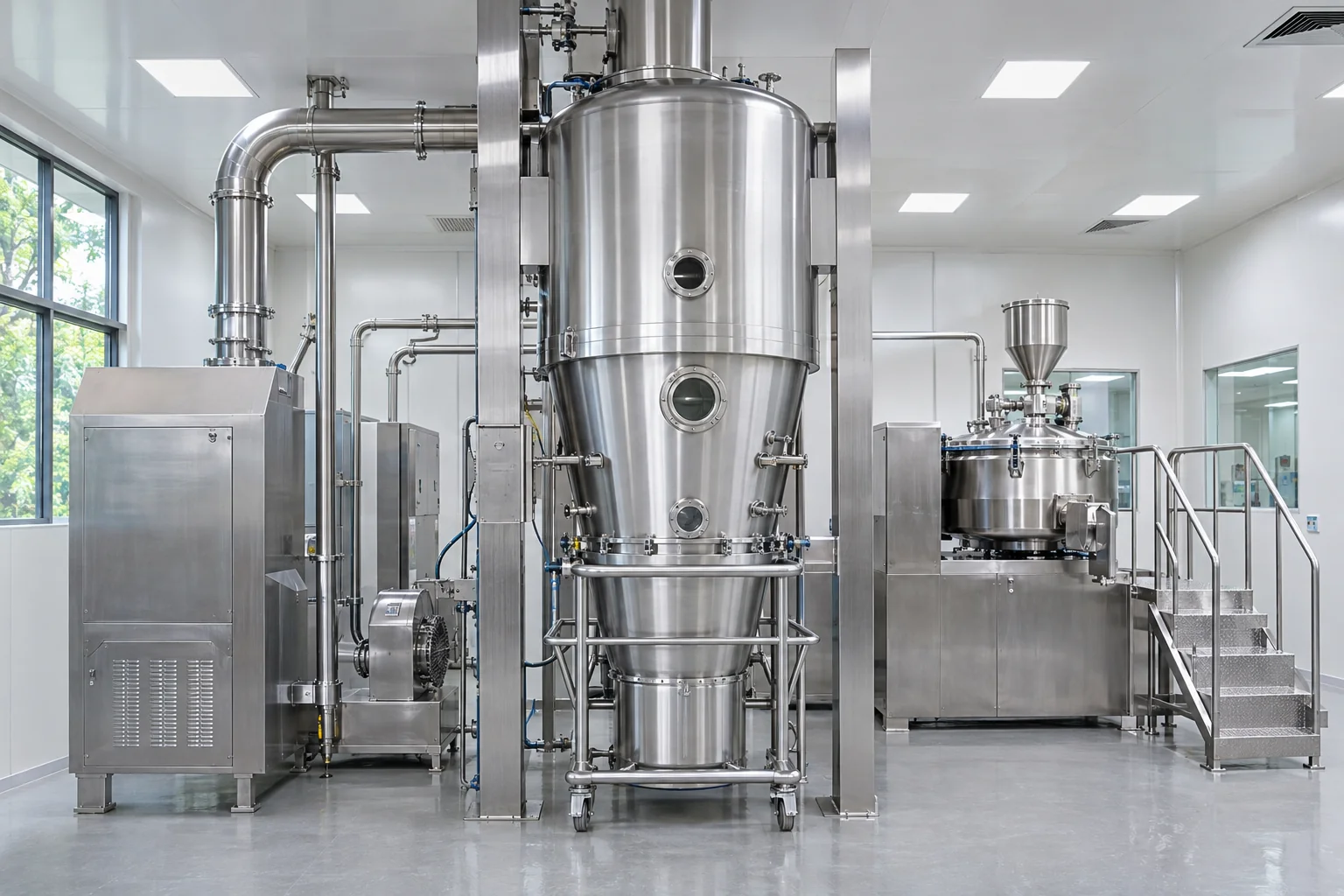
Discover why GMP compliance is crucial for pharmaceutical manufacturing. Learn how it ensures consistency, prevents contamination, and builds trust in the supply chain.
R
Rraynex Editorial Team
3 min read
Overview
In the pharmaceutical world, GMP compliance is not just some formality. It is what keeps things running smoothly and makes sure suppliers are trustworthy. For people buying pellets or granules or APIs, knowing how deep a suppliers GMP goes is really important. I mean, it is the main thing that promises the stuff you get now will work the same as what you got before.
GMP stands for Good Manufacturing Practice. It is a way to make sure products come out consistent and meet quality rules every time. The idea is to cut down risks in production that testing the finished thing alone cannot catch. Like, you can check a batch for purity, but if mixing went wrong and some parts have off concentrations, that might not show up.
It feels like an iceberg sometimes. The part you see is the testing, but underneath are all these hidden issues with hygiene or how processes are validated or keeping records. That is the stuff GMP handles, the risks that stay out of sight.
Maintaining Batch-to-Batch Consistency
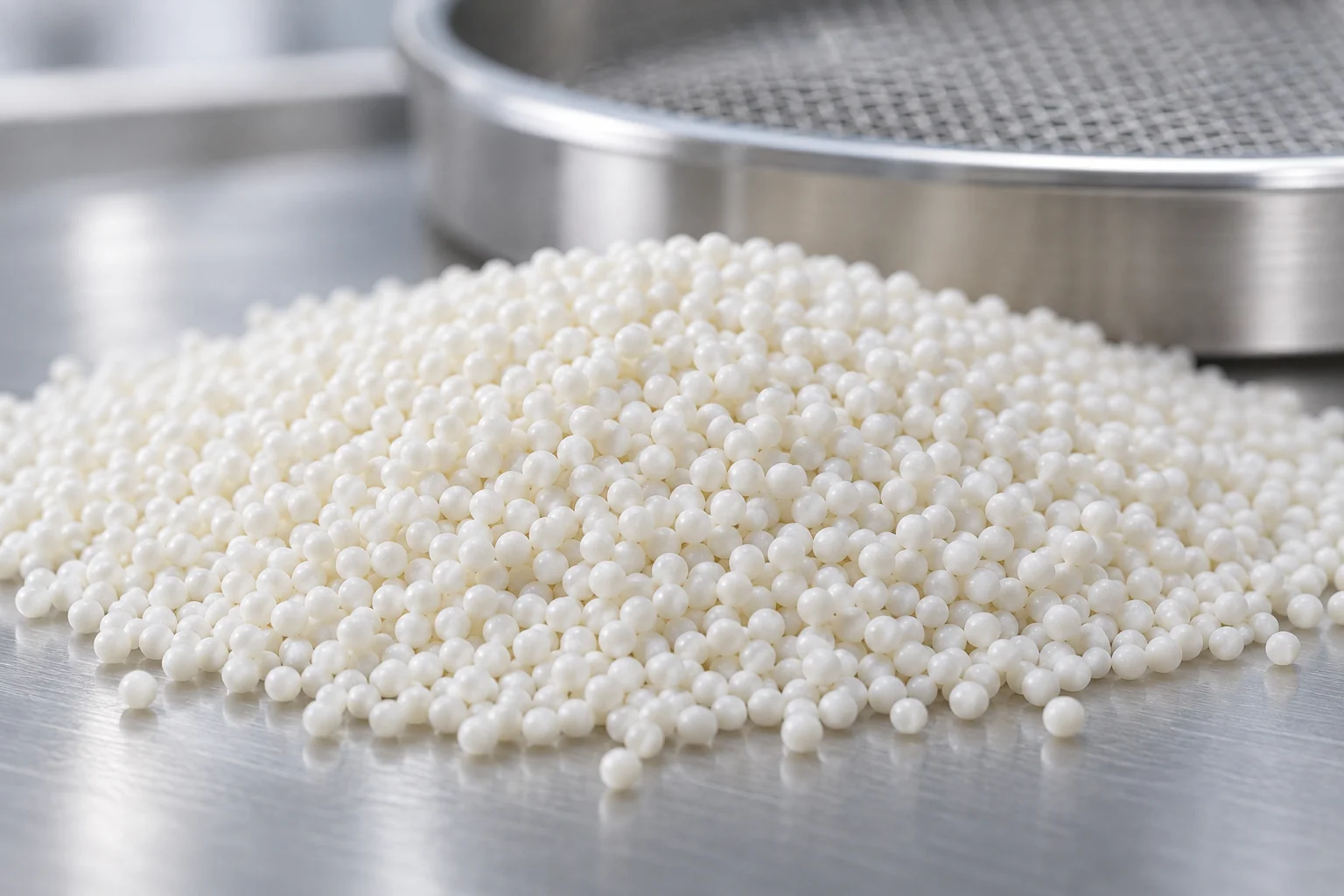
One big reason is keeping batches consistent from one to the next. Imagine if the bulk density on Omeprazole pellets shifts between batches. Your machine for encapsulation would mess up, and you get weight problems. It is a nightmare for formulators dealing with fluctuating materials.
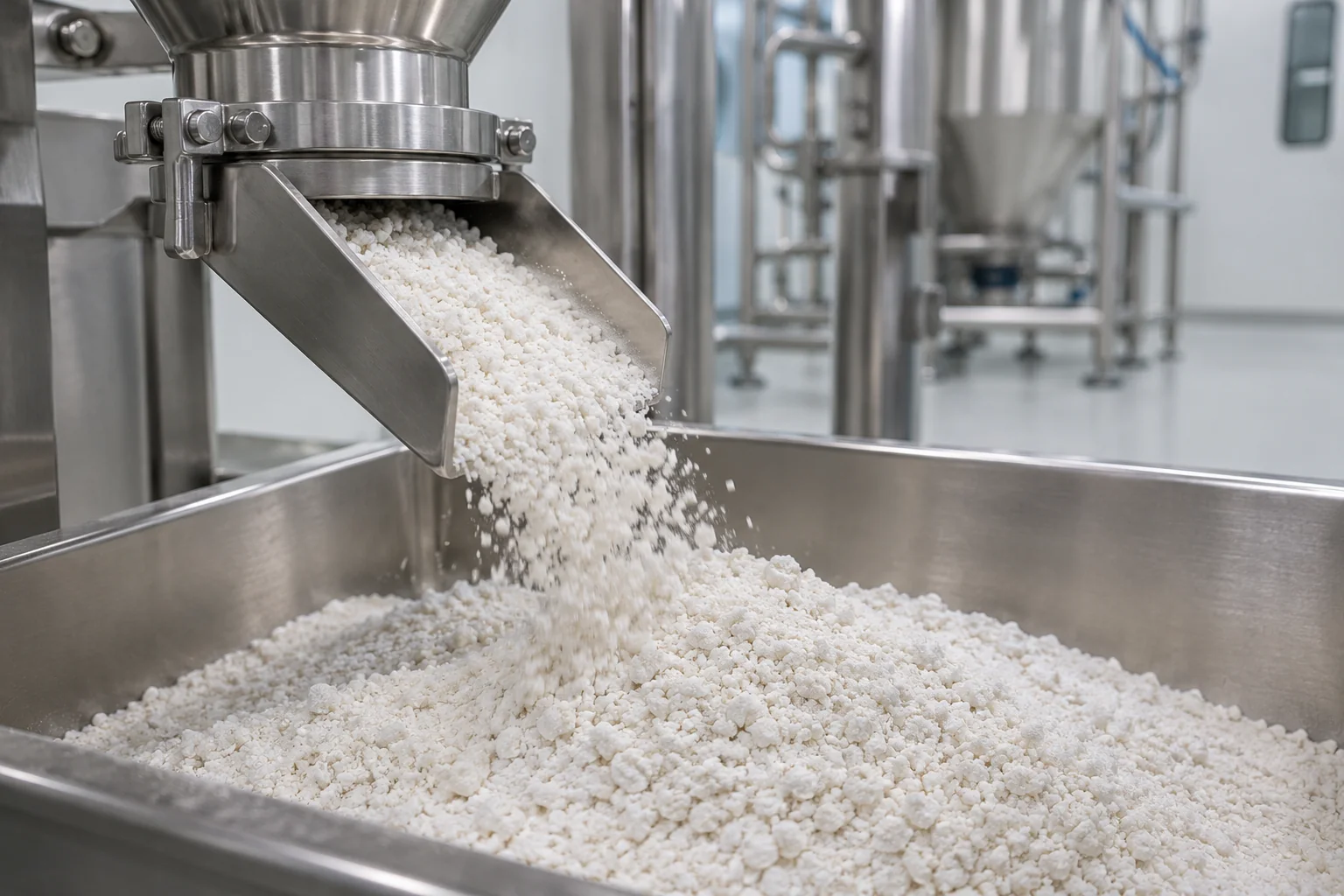
To avoid that, GMP means following standard operating procedures closely. Every step, like weighing or spheronization, gets documented and done the exact same. Then there is process validation. We cannot just assume drying works right, so studies prove it with set temperatures and times. It seems straightforward, but it takes effort to get it locked in.
Preventing Cross-Contamination
Cross-contamination seems like a big issue in places where they make different API pellets all at once. The risk goes way up if stuff mixes up by accident, and then the entire batch might get ruined. GMP helps stop that from happening, but I am not totally sure how every facility deals with the exact steps. It is kind of like that hidden part of the process, you just have to trust the system takes care of it.
Questions about cross-contamination controls
Ask about segregation, environmental controls and cleaning procedures for the actual site and equipment. Review the evidence and acceptance criteria applicable to the proposed material.
Supporting Regulatory Compliance and Export
For regulated-market projects, review the proposed supplier and site against the requirements of the intended destination. Ask for current issuer documents that identify the entity, activities and scope covered.
Minimizing Recalls and Protecting Brand Reputation
Recalls can cost a lot more than money, they hit your reputation hard. Something simple like microbial contamination in a non-sterile pellet could wipe out a brand built over years. GMP acts like insurance here, with strict quality control and assurance checks right from the raw materials. Defects get caught before anything leaves the factory.
What to ask during supplier qualification
Qualification can include questions about traceability, staff training and documentation. Check which procedures and evidence apply to the product and site under review.
Traceability
Ask how the site records the source and batch identity of the material.
Staff Training
Request information about training relevant to the operations you are assessing.
Documentation
Review the documents your team needs and confirm how they relate to the material and site.
The Bottom Line
Choosing a GMP-compliant partner gives you some certainty. Your supply chain feels secure, the product stays safe, and brand reputation does not take hits as easily. It seems straightforward, but this part gets a bit messy when you think about all the details involved.
Does Your Current Supplier Meet These Standards?
Contact Rraynex to discuss the quality and site documents needed for your product enquiry.
Frequently Asked Questions
What should buyers verify when reviewing GMP claims?
Request current evidence, identify the issuing authority and confirm the site, activities and products covered. Marketing statements alone do not establish the current status.
Which documents should a procurement enquiry request?
Ask which specifications, batch Certificates of Analysis, stability information and relevant quality documents are available for the specific product and manufacturing site. Availability should be confirmed directly.
Put insight into practice
Let’s discuss your next formulation project.
Share your product, strength, release requirements, expected quantity and destination market with our team.
Discover why APIs are the backbone of every drug formulation. Learn about the critical role of API quality, physical attributes, and how they impact therapeutic success.