How to Choose the Best Pharmaceutical Pellets & Granules Manufacturer in India: A B2B Buyer's Guide
Looking for a pharmaceutical pellets manufacturer in India? Learn how to evaluate pellet and granule suppliers, quality specifications, bulk supply and documentation.
R
Rraynex Editorial Team
7 min read
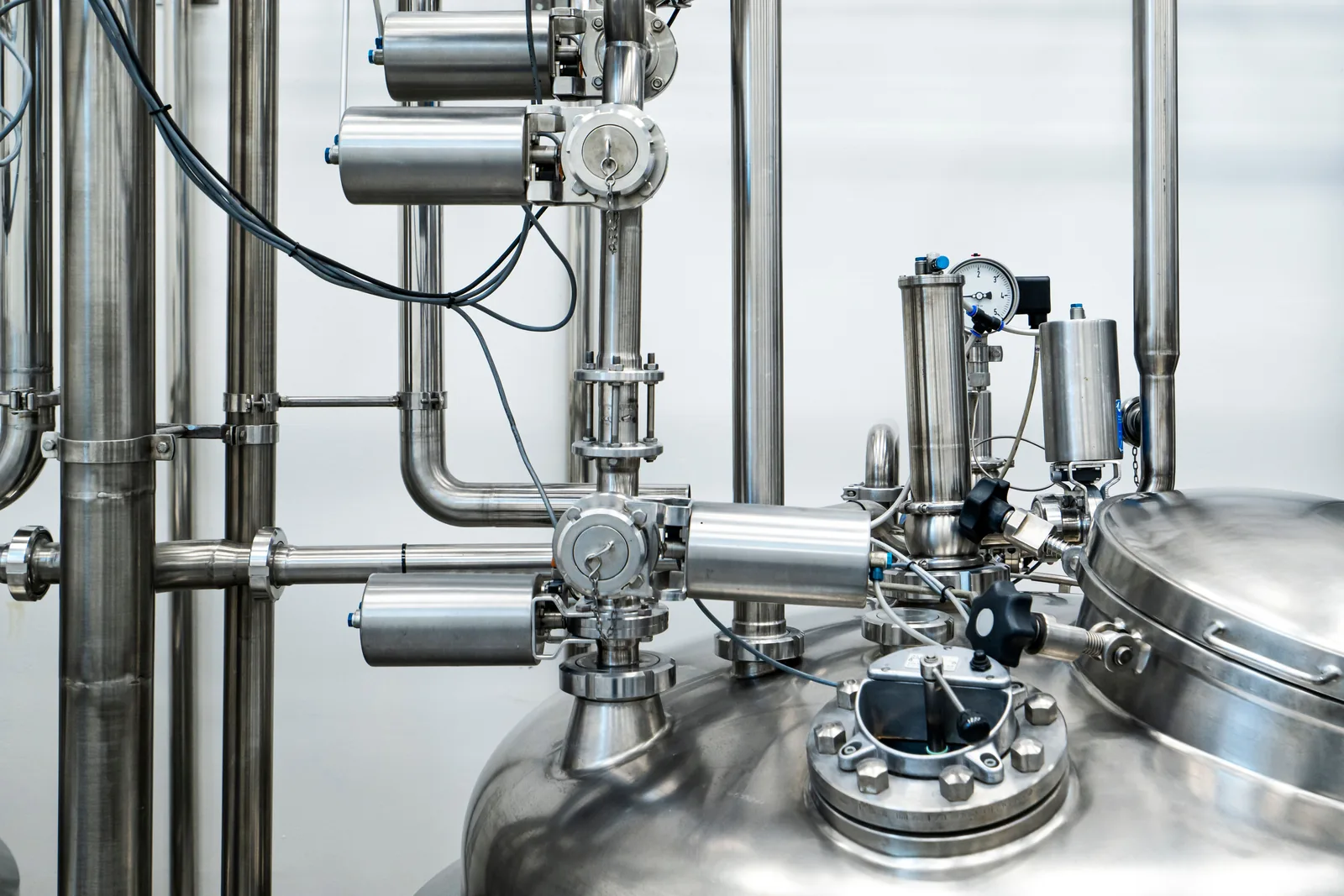
Illustrative stock photograph; not a Rraynex facility, team or shipment.
Overview
Choosing a pharmaceutical pellets manufacturer in India is a major business decision for pharmaceutical companies, formulation developers and procurement teams. A supplier must provide more than an attractive quotation. Product consistency, technical suitability, quality documentation and dependable communication are all essential to a sustainable manufacturing relationship.
India offers a broad pharmaceutical manufacturing ecosystem, including companies specialising in active pharmaceutical ingredients, pharmaceutical pellets, granules and modified-release formulations.
However, not every supplier offers the same products, release technologies, technical support or commercial capabilities.
For companies searching for a pharmaceutical pellets manufacturer in India, the challenge is identifying a partner whose product portfolio and manufacturing systems match specific formulation requirements.
This guide explains how to evaluate a pharmaceutical pellets or granules supplier before beginning a commercial relationship.
For example, an immediate-release formulation may have very different requirements from an enteric-coated or sustained-release formulation.
Similarly, pharmaceutical pellets intended for capsule filling may need different handling characteristics from pellets intended for further coating or compression into multiparticulate tablets.
A clear requirement specification allows the manufacturer to determine whether an existing product is suitable or whether additional technical evaluation is needed.
2. Evaluate the Manufacturer's Product Portfolio
A broad catalogue can be useful, but relevance matters more than the number of products listed.
A company sourcing pharmaceutical pellets should look for suppliers with experience in the specific drug substance and delivery system required.
Common pharmaceutical pellet categories include:
Immediate-release pellets
These are designed for release characteristics appropriate to the intended immediate-release formulation.
Sustained-release pellets
Sustained-release formulations use suitable formulation technologies to control the release of the active substance over time.
Enteric-coated pellets
Enteric coatings are designed to provide pH-dependent release behaviour appropriate to the specified formulation.
Delayed-release and multiparticulate systems
These may involve specialised coating, formulation and processing requirements.
Combination pellets
Combination products can incorporate multiple active ingredients or distinct pellet populations, depending on the approved formulation design.
Pharmaceutical granules may also be supplied in immediate-release, sustained-release or direct-compression forms, depending on the product.
Manufacturers should confirm the release type, strength and intended application rather than assuming all products within a category are interchangeable.
3. Review Quality Assurance and Supplier Qualification
Quality is a fundamental consideration when selecting a pharmaceutical manufacturing partner.
The World Health Organization describes Good Manufacturing Practice as a quality-management approach intended to ensure products are consistently manufactured and controlled to appropriate quality standards.
Pharmaceutical procurement teams should evaluate the supplier's actual quality systems and the suitability of their manufacturing facilities for the required product.
Relevant evaluation areas include:
Manufacturing licence and approved scope.
Applicable GMP status.
Raw material controls.
In-process testing.
Finished-product specifications.
Batch records and traceability.
Deviation management.
Change control.
Supplier qualification.
Product complaints and corrective actions.
Buyers should request current supporting evidence instead of relying solely on certificates displayed on a marketing website.
The applicable requirements will depend on the product, facility and intended market.
4. Ask for Product-Specific Technical Documentation
A reliable pharmaceutical pellets manufacturer should be able to explain which technical documents are available for the relevant product.
Depending on the formulation and business requirement, documentation may include:
Product specification sheet.
Certificate of Analysis (COA).
Applicable analytical methods or method summaries.
Stability information.
Safety documentation.
Packaging specifications.
Batch traceability information.
Regulatory support documents, where available.
Buyers should confirm the latest document revision, relevant manufacturing site and applicable product grade.
A general company certificate does not replace product-specific documentation.
Technical evaluation is particularly important for modified-release pellets, as release behaviour and coating characteristics can affect suitability for the intended formulation.
5. Review Pellet and Granule Characteristics
Different pellet and granule products require different critical quality attributes.
Potentially relevant characteristics include:
Particle size distribution: Helps buyers evaluate the suitability of the material for downstream processing and filling operations.
Assay and content uniformity: Support assessment of active ingredient content and consistency, as applicable.
Moisture: Can affect the handling, storage and stability of some formulations.
Friability: May be relevant when assessing the resistance of pellets to mechanical stress.
Dissolution or release profile: Important for formulations where the timing and extent of drug release are critical.
Flow properties: Relevant to manufacturing operations such as blending, filling and compression.
Not every test is required for every product. The correct specification depends on the formulation, development data and applicable regulatory requirements.
6. Evaluate Bulk Supply and Commercial Readiness
For B2B buyers, technical suitability must be considered alongside commercial requirements.
When requesting a bulk pharmaceutical pellets quotation, ask the supplier to confirm:
Available product strengths.
Commercial availability.
Minimum order quantities.
Sample evaluation arrangements.
Manufacturing and delivery lead times.
Standard packaging.
Documentation availability.
Order forecasting requirements.
Procedures for communicating product or process changes.
Avoid selecting a supplier on price alone. Delays, inconsistent specifications or insufficient documentation may create downstream costs during formulation development and manufacturing.
Long-term procurement planning is easier when technical and commercial expectations are agreed upon early.
7. Consider Formulation Development and Manufacturing Support
Some buyers require more than a standard catalogue product.
They may need assistance evaluating different pellet strengths, coating requirements, granule characteristics or production-scale requirements.
When appropriate, assess whether the prospective manufacturer can support:
Formulation discussions.
Product-specific technical evaluation.
Pilot batch requirements.
Process-development discussions.
Commercial-scale planning.
Technical documentation.
Long-term supply coordination.
Do not assume that every supplier offers custom manufacturing or technology-transfer services. Confirm the scope of the actual offering.
8. Why Consider Rraynex Pharmaceuticals?
Rraynex Pharmaceuticals is an Indian pharmaceutical manufacturing business with a portfolio covering pharmaceutical pellets, granules, MUPS and nutraceutical formulations.
Its catalogue includes products across different release and formulation categories, allowing pharmaceutical buyers to explore specific product requirements.
For companies sourcing pharmaceutical pellets or granules in India, Rraynex can be considered as part of a structured supplier-evaluation process.
Buyers can contact the company to discuss listed products, available strengths, technical specifications, documentation requirements and commercial enquiries.
Any proposed product supply should be evaluated against the buyer's technical, quality and regulatory requirements.
9. Pharmaceutical Supplier Selection Checklist
Before finalising a supplier, confirm the following:
Is the exact product and strength available?
Does the manufacturer support the required release mechanism?
Are the relevant manufacturing licences and quality credentials current?
Can the supplier provide an appropriate product specification?
Is batch-specific analytical information available?
Are samples available for technical qualification?
Does the product meet the relevant destination-market requirements?
Are packaging and storage conditions clearly defined?
Can the supplier support the required commercial volume?
Are quotation terms, delivery expectations and responsibilities clear?
A supplier who answers these questions transparently makes technical and commercial evaluation more efficient.
Frequently Asked Questions
How can I buy pharmaceutical pellets in bulk from India?
Identify the required product, formulation, strength, grade and estimated volume. Contact potential manufacturers for specifications, documentation and a commercial quotation. Complete the required supplier qualification before purchasing.
What is the difference between a pharmaceutical pellets manufacturer and a supplier?
A manufacturer produces the material through its own or authorised production operations. A supplier may distribute or source products. Buyers should verify the actual manufacturing site and responsibility for quality.
Can I request custom pharmaceutical pellet formulations?
Some manufacturers offer development or customisation services. Confirm availability and technical feasibility directly with the supplier.
What should I check before selecting a granules manufacturer?
Selecting a pharmaceutical pellets or granules manufacturer in India requires a balanced assessment of quality, technical expertise, product availability and commercial reliability.
The right partner should be able to discuss product requirements clearly, provide appropriate documentation and support a transparent supplier-qualification process.
For pharmaceutical companies, formulation developers and procurement teams evaluating specialised pellet and granule suppliers, Rraynex Pharmaceuticals offers an opportunity to explore its listed manufacturing portfolio.
Looking for pharmaceutical pellets or granules in bulk?
Contact Rraynex Pharmaceuticals to discuss your product requirements, technical specifications and procurement enquiry.
Explore pharmaceutical pellet and DC granule manufacturing, pilot-to-commercial scale-up, process validation, formulation development and bulk supply planning in India.
Explore how international buyers can source pharmaceutical pellets and granules from India. Learn about supplier qualification, documentation, quality and export planning.
Unveil the story behind Rraynex. Understand how our director, Mr. Nishit Gupta, identified a vital void in Indian pharma and led to local manufacturing of pellets, granules, and APIs.