Sourcing Pharmaceutical Pellets & Granules From India: Quality, Documentation & Export Checklist for Global Buyers
Explore how international buyers can source pharmaceutical pellets and granules from India. Learn about supplier qualification, documentation, quality and export planning.
R
Rraynex Editorial Team
7 min read
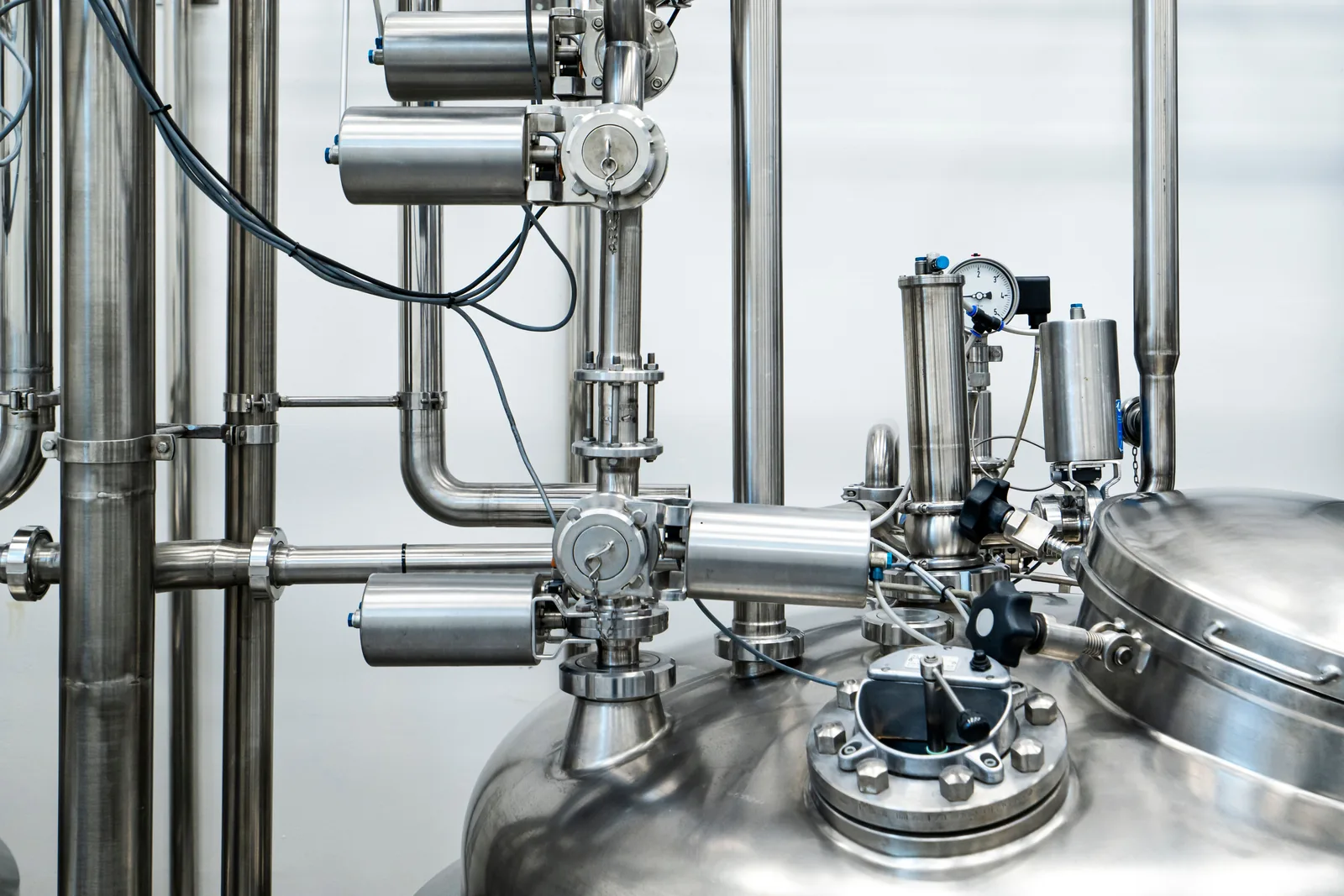
Illustrative stock photograph; not a Rraynex facility, team or shipment.
Overview
For international procurement teams sourcing pharmaceutical pellets from India, the country is an important part of the pharmaceutical manufacturing and supply ecosystem.
Pharmaceutical companies, formulation manufacturers, importers and distributors source a wide range of pharmaceutical ingredients and specialised materials from Indian suppliers.
For international buyers seeking pharmaceutical pellets and granules, successful sourcing requires more than finding the right product name.
Regulatory requirements, product specifications, quality documentation, commercial arrangements, transportation and supplier qualification all need careful consideration.
Whether a company is sourcing immediate-release pellets, sustained-release granules, enteric-coated products or multiparticulate formulations, a structured procurement process can support better decision-making.
This article provides a practical sourcing checklist for international pharmaceutical buyers.
1. Define Your Pharmaceutical Product Requirements
The first step in international pharmaceutical sourcing is preparing an accurate product requirement.
The specification should identify:
Active pharmaceutical ingredient.
Required dosage-form intermediate.
Product strength.
Release mechanism.
Applicable pharmacopoeial grade.
Intended finished dosage form.
Required analytical specifications.
Expected supply volume.
Packaging requirements.
Destination country.
For example, a company seeking enteric-coated pellets may require release characteristics that differ substantially from those of immediate-release pellets.
Similarly, pharmaceutical granules used for one downstream formulation may not be interchangeable with another granule grade.
Clearly defining the requirement helps prevent misunderstandings before sample evaluation or procurement.
2. Confirm Destination-Market Requirements
Pharmaceutical regulatory requirements vary between jurisdictions.
Before purchasing pharmaceutical materials for import, buyers should determine the applicable requirements in the destination market.
Depending on the product and country, relevant considerations may include:
Permitted import category.
Manufacturing and import licences.
Marketing-authorisation requirements.
Product registration status.
Applicable pharmacopoeial standards.
Manufacturer qualification.
Required regulatory documentation.
Labelling and packaging rules.
Customs and shipment documentation.
A product's availability in India does not automatically establish that it may be imported or used in every international market.
Buyers should work with their regulatory teams and authorised local advisers to confirm the requirements applicable to their transactions.
3. Evaluate the Indian Manufacturer's Capabilities
International pharmaceutical procurement often depends on long-term supplier reliability.
Before placing an order, verify:
Legal business identity.
Actual manufacturing location.
Manufacturing licence.
Relevant quality certifications and their scope.
Product availability.
Product and batch specifications.
Supply-chain traceability.
Quality-agreement requirements.
Commercial delivery capability.
A company offering both manufacturing and supply services should clearly identify the facility responsible for the specific product.
Manufacturer and supplier are not always interchangeable terms.
The buyer should understand whether the company manufactures the material directly, contracts manufacturing to another facility or supplies material produced by a separate organisation.
4. Request Appropriate Technical Documentation
Documentation is one of the most important elements of international pharmaceutical procurement.
Depending on the product, stage of qualification and importing market, buyers may need:
Product specification
A technical description identifying the applicable quality requirements.
Certificate of Analysis
Batch-specific analytical results assessed against the relevant specification.
Stability information
Available information supporting the product's relevant storage and stability requirements.
Safety documentation
Appropriate safety and handling information, where applicable.
Manufacturing and regulatory documents
Evidence of the manufacturer's relevant approvals, certificates, licence status and regulatory support arrangements.
Packaging and storage information
Details of how the material should be packed, handled, stored and transported.
Not every document is required or available for every product.
Buyers should request the documents relevant to their actual regulatory and procurement needs and verify the status of the information provided.
5. Understand Product Quality and Supplier Qualification
International sourcing requires appropriate quality assurance.
The relevant qualification process may include document review, supplier questionnaires, technical assessment, audits, sample testing and quality agreements.
For pellet and granule products, the buyer's evaluation may consider:
Active ingredient content.
Relevant impurities.
Particle size.
Moisture.
Physical characteristics.
Release or dissolution profile.
Stability.
Packaging suitability.
Testing requirements vary with the formulation.
An enteric-coated pellet, a sustained-release granule and an immediate-release product should not automatically be evaluated using identical specifications.
Product-specific technical assessment is essential.
6. Assess Commercial Supply Terms
After technical suitability has been established, commercial discussions should address supply requirements clearly.
Relevant questions include:
What is the minimum order quantity?
Which packaging configurations are available?
What is the current product lead time?
What batch sizes are supported?
Are samples available for qualification?
Which shipping terms are proposed?
How will export documents be coordinated?
How are complaints or shipment discrepancies handled?
What is the procedure for communicating material changes?
Can forecast requirements be discussed for repeat orders?
Commercial terms should be documented in the applicable contract or purchase order.
An initial quotation should not be treated as a guarantee of continuing availability, pricing or delivery performance.
7. Plan Packaging, Shipping and Storage Carefully
Pharmaceutical materials may have specific requirements for protection during transport.
Depending on the product, these can include controls for:
Moisture.
Temperature.
Light exposure.
Package integrity.
Contamination prevention.
Labelling and traceability.
The shipping approach should be suitable for the material's properties and documented storage conditions.
Importers and suppliers should agree on responsibilities for freight, insurance, customs clearance and shipment documentation under the selected commercial terms.
Pharmexcil, the Pharmaceuticals Export Promotion Council of India, provides export-related resources and services for the Indian pharmaceutical industry, including information concerning certification of origin.
Documentation requirements should be confirmed for the actual transaction and destination.
8. Use a Structured Pharmaceutical Request for Quotation
For international buyers, a detailed Request for Quotation (RFQ) improves communication.
An appropriate pharmaceutical sourcing enquiry can include:
Company information
Company name.
Country.
Contact person.
Business email.
Product details
Product name.
Active ingredient.
Strength.
Release type.
Required grade.
Intended formulation.
Commercial details
Estimated order quantity.
Forecast annual requirement.
Requested packaging.
Destination country.
Preferred delivery terms.
Expected procurement timeline.
Technical requirements
Required specifications.
Required quality documents.
Sample evaluation needs.
Registration or regulatory documentation requirements.
This information enables the supplier to review both technical suitability and commercial feasibility.
9. Why Consider Rraynex Pharmaceuticals for Pharmaceutical Sourcing?
Rraynex Pharmaceuticals is an Indian pharmaceutical manufacturing business with product categories covering pharmaceutical pellets, granules, MUPS and nutraceutical formulations.
Its catalogue includes a range of specialised products and formulation types.
The company identifies CIS, Latin America and other Rest of World markets as areas of international business focus in its supplied corporate brochure.
Actual product availability, country-specific supply capability and applicable documentation should be confirmed directly for each enquiry.
International buyers can approach Rraynex to discuss product specifications, available strengths, technical requirements and potential business partnerships.
10. Building Long-Term International Supplier Relationships
Pharmaceutical sourcing is most effective when the buyer and supplier establish clear technical and commercial expectations.
Important areas for long-term coordination include:
Quality agreements where appropriate.
Regular technical communication.
Defined product specifications.
Change notification procedures.
Forecast planning.
Review of recurring issues.
Supply continuity arrangements.
Clear responsibilities for regulatory documentation.
A procurement relationship built around transparency and documented expectations can support better coordination as commercial requirements evolve.
Frequently Asked Questions
Can international companies buy pharmaceutical pellets from India?
International sourcing may be possible, subject to product availability, commercial arrangements and the regulatory requirements of the destination market.
What documents are needed to import pharmaceutical granules?
Requirements vary by product and country. Buyers should confirm the applicable specifications, quality records, import permissions, certificates and shipment documents with their regulatory and logistics teams.
How do I verify a pharmaceutical exporter in India?
Review legal and manufacturing information, relevant quality documentation, actual facility responsibilities, product records and the supplier's ability to meet your technical requirements.
How can I request a pharmaceutical pellets quotation from Rraynex?
Contact Rraynex with the required product name, formulation, strength, grade, volume and destination market, along with any technical documentation requirements.
Conclusion
International pharmaceutical sourcing requires careful coordination between procurement, formulation, quality, regulatory and logistics teams.
A reliable sourcing process starts with a clear product specification and continues through supplier qualification, technical evaluation, appropriate documentation and agreed commercial arrangements.
For international pharmaceutical companies exploring bulk pharmaceutical pellets and granules from India, Rraynex Pharmaceuticals offers a portfolio worth evaluating against specific project requirements.
Looking for an Indian pharmaceutical manufacturing and supply partner?
Share your product requirements, technical specifications, estimated volume and destination country with the Rraynex team.
Looking for a pharmaceutical pellets manufacturer in India? Learn how to evaluate pellet and granule suppliers, quality specifications, bulk supply and documentation.
Explore pharmaceutical pellet and DC granule manufacturing, pilot-to-commercial scale-up, process validation, formulation development and bulk supply planning in India.
Unveil the story behind Rraynex. Understand how our director, Mr. Nishit Gupta, identified a vital void in Indian pharma and led to local manufacturing of pellets, granules, and APIs.